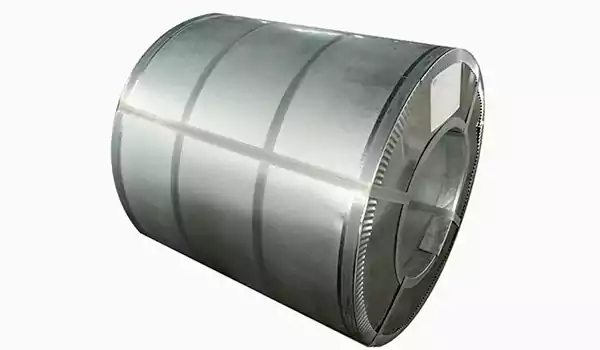
Seeking responsibly made hot rolled coil stock?
Selecting the correct piping solution for a job calls for clarity about its specs and real-world uses. Usual measurements mention alloy, thickness, dimension, and fit allowances. Attributes such as pressure limits, heat performance, and corrosion resistance play a major role in pipe selection for industrial, commercial and residential projects. Metal pipes serve uses across construction, manufacturing, infrastructure, water supply, gas distribution, drainage systems, structural support and specialty sectors
- Grasping the particular project needs is essential for choosing the most appropriate pipe
- Consult official guidelines and industry norms to clarify metal pipe requirements
- Choose materials based on pressure demands, temperature exposure and corrosive environments
Structural Tube Steel: Sturdiness, Lifespan, and Adaptability
Formed steel tube products present excellent strength and are favored in a variety of industrial, structural and commercial settings. Reliable resistance to wear results from their manufacturing and heat-treatment processes. Produced by drawing steel rods, billets or slabs into seamless or welded tubes, they resist corrosion, wear and damage and deliver long service life even in harsh environments. Flexible tube steel fabrication produces simple or complex shapes that accommodate individual design and engineering needs. From heavy-duty infrastructure and building frameworks to precision machinery and equipment, tube steel's mix of strength, durability and adaptability makes it indispensable in modern construction and manufacturingPerforated Metal Mesh for Elevated Security and Safety
Expanded metal mesh is regularly selected for roles that require durable security and increased safety precautions. Its perforated structure supports visibility and also functions as a robust barrier against unauthorized access and hazards. You can tailor aperture patterns and sheet thickness to fulfill specialized criteria
- The mesh's durable construction withstands impacts, deliberate damage and harsh weather conditions
- What's more, effortless installation and low-care needs boost its usage across different domains
- From infrastructure protection to worker safety in industrial contexts, expanded metal supplies a holistic security and safety option
Industry Applications for Metal Steel Mesh
Metal steel mesh is heavily employed in industrial settings for its output strength, resilience and functional versatility. It creates a strong support framework for filtration, separation, reinforcement and safeguarding functions. In civil construction, steel mesh is often embedded in concrete to strengthen tensile resistance and prevent cracking. Additionally, it is used in bridges, tunnels and civil engineering projects for structural support and load-bearing capacity. Industrial manufacturing uses steel mesh for filtering and screening, leveraging its fine weave to separate different-sized particles in sieving and purification processes. Steel mesh is also essential for protective and security uses—guardrails, fencing and enclosures that deter unauthorized access and protect personnel. Tensile strength affords the mesh the ability to resist impact and force, guaranteeing dependable protection in harsh contexts
Metal Pipes for Structural Support
The natural strength of metal pipes renders them valuable in a wide array of structural roles. Their versatility enables erecting sturdy frameworks that handle weight-bearing duties in different sectors. Across towering buildings, bridge systems and subterranean pipe runs, metal pipes form a structural backbone and handle severe environmental loads. Their corrosion resistance and ease of fabrication further secure their importance in modern construction practices
Selecting the Appropriate Tube Steel for a Project
During construction or fabrication planning, picking the right tube steel is fundamentally important. Tube steel provides a balance of strength, durability and relatively light weight making it suited to many uses. Still, with numerous grades and technical specs to consider, selecting tube steel may be daunting
- Ensure success by evaluating purpose, load demands and site conditions
- Variables such as wall gauge, internal/external diameter and alloy grade importantly affect performance
For major structural projects opt for heavy-gauge, high-yield tube steel; for low-mass applications opt for thinner-walled steel
Engage expert engineers or proven suppliers to help pick the right tube steel for the specific project
Upsides of Expanded Metal in Building Projects
Expanded metal provides several functional and performance benefits suited to construction. Its lightweight nature eases installation and reduces labor costs. Besides, the open design allows superior ventilation and drainage to mitigate dampness concerns. Long-lasting durability makes it fitting for applications requiring substantial resistanceComprehending Pipe Joint Types
Pipe coupling types serve as critical elements in plumbing systems for carrying fluids and gases effectively. Connection choice should consider pipe diameter, material grade, pressure rating and functional application. Standard metal pipe connections include threaded, flanged and welded options that vary in strength and sealing performance. In threaded systems male and female threads are screwed together, flanged systems use bolted flat surfaces to seal, and welded systems fuse pipes using heat and pressure. Comprehension of connection characteristics supports reliable, leak-proof piping performanceSteel Mesh for DIY: Versatile Material Options
Steel mesh offers strength, resilience and adaptability for broad DIY uses. The perforated, linked structure makes it appropriate for fences, screens and visual fixtures. Also, its easy-to-handle, lightweight nature makes it popular with both beginner and skilled DIY enthusiasts
- Think about using metal mesh for your next craft or build
Metal Pipes: From Plumbing to Structural Support
steel nailSteel pipes play a central role in contemporary infrastructure and building works thanks to their robustness, endurance and versatility. Where they began primarily as plumbing elements, metal pipes now serve structural reinforcement and support functions as well. From building bases to distribution networks for water and gas, metal pipes play key practical roles in infrastructure and daily life. Strong material properties let them handle large pressures and forces while corrosion protection maintains long-term reliability. In addition, pipes’ malleability enables their formation into numerous configurations that address diverse needs
Design Flexibility and Functionality of Expanded Metal
Expanded metal enables varied design expressions alongside strong functionality. Because of its open pattern it fits applications ranging from visual architectural accents to safety systems in industry. Because it is strong, expanded metal can handle significant loads while remaining visually attractive
- Additionally, the open pattern enhances airflow and makes it suitable for areas demanding temperature control or heat release
- Applications of expanded metal are wide-ranging across construction, manufacturing, transportation and creative design fields